
Introduction
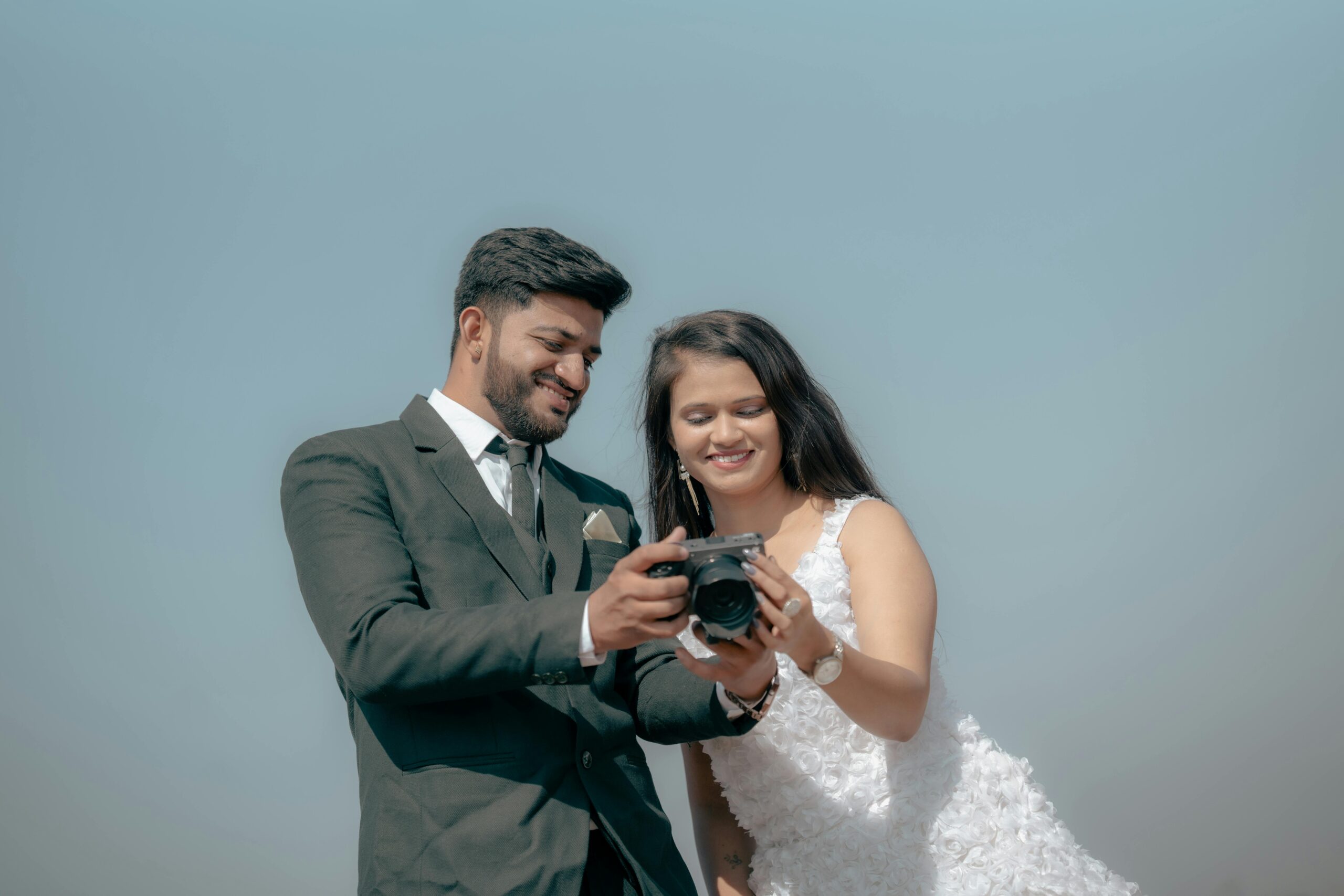
Great wedding photos don’t happen by luck. They happen because you know exactly which wedding poses work, when to use them, and how to guide couples naturally.
If you’ve ever felt stuck thinking, “What should I make them do next?”, you’re not alone. Even experienced photographers freeze during fast-paced wedding days.
This complete posing guide gives you proven wedding poses, photography techniques, composition strategies, and shooting tips that consistently deliver beautiful, emotional images.
By the end, you’ll have a repeatable system you can rely on at every wedding — from first look to reception — without awkward silences or stiff results.
Section 1 — Foundations: How to Pose Couples Naturally (Before You Even Click)
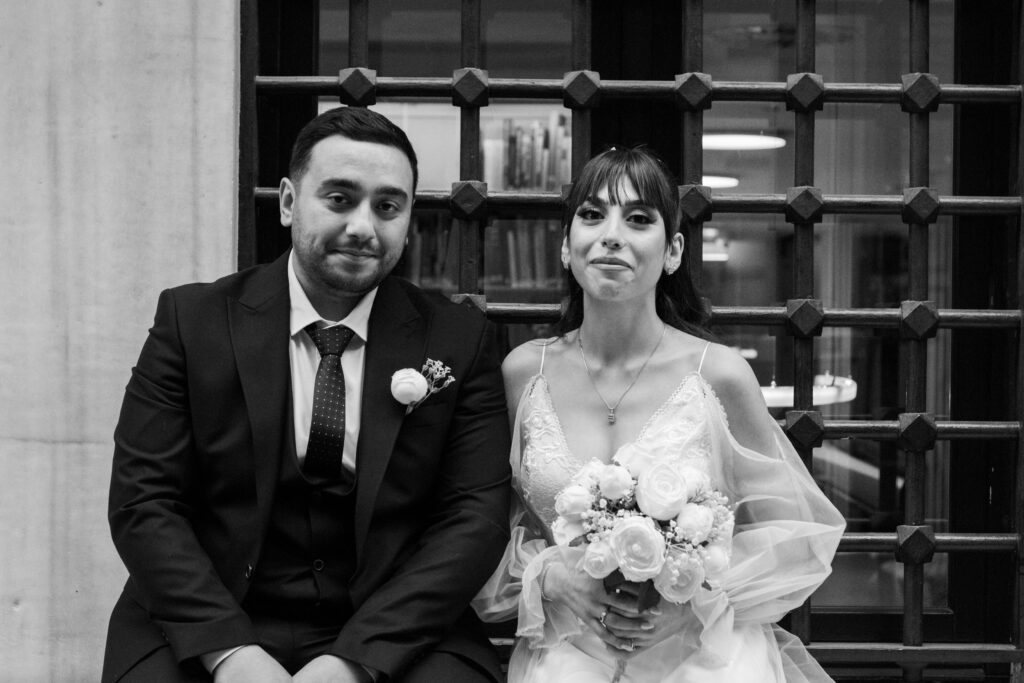
Before learning specific poses, understand this: posing is about direction, not positioning.
If you place people like mannequins, they’ll look stiff. If you guide movement and emotion, they’ll look alive.
What is posing in wedding photography?
Posing is the art of:
- Arranging bodies for flattering composition
- Creating natural interaction
- Using movement to tell a story
- Guiding clients with simple instructions
Think less “stand here” and more “walk toward each other and laugh.”
The 3-Step Posing Framework
Use this at every moment:
- Base pose – basic placement
- Refine composition – adjust angles, hands, posture
- Add action – movement or emotion
Example:
- Stand together → angle bodies → whisper something funny
Instantly natural.
Client Interaction Tips That Change Everything
Your energy controls their comfort.
Say:
- “Walk slowly toward me”
- “Hold hands and talk”
- “Lean your foreheads together”
Avoid:
- “Smile”
- “Be romantic”
- “Act natural”
Action-based instructions always work better.
Section 2 — Classic Wedding Poses That Always Work
These poses are timeless because they combine strong composition + emotion + flattering angles.
Use them at every wedding without fail.
1. The V-Shape Couple Pose
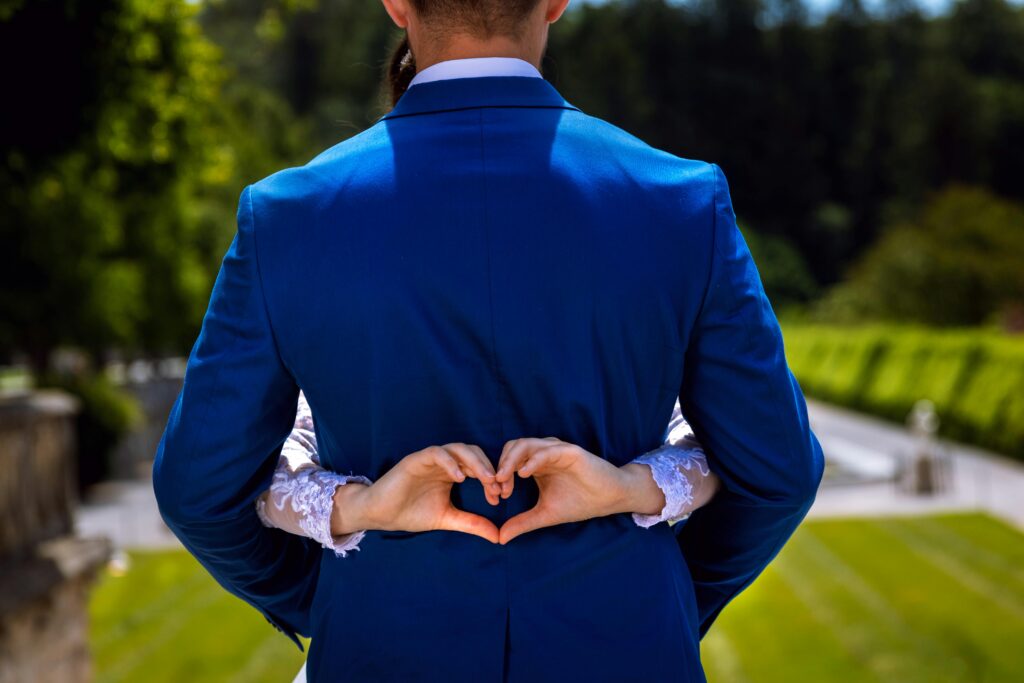
Best for: portraits, first look, sunset shots
How:
- Couple stands slightly angled toward each other
- Bodies form a “V”
- Heads close together
Why it works:
- Slims both subjects
- Creates depth
- Feels intimate
2. The Walking Shot
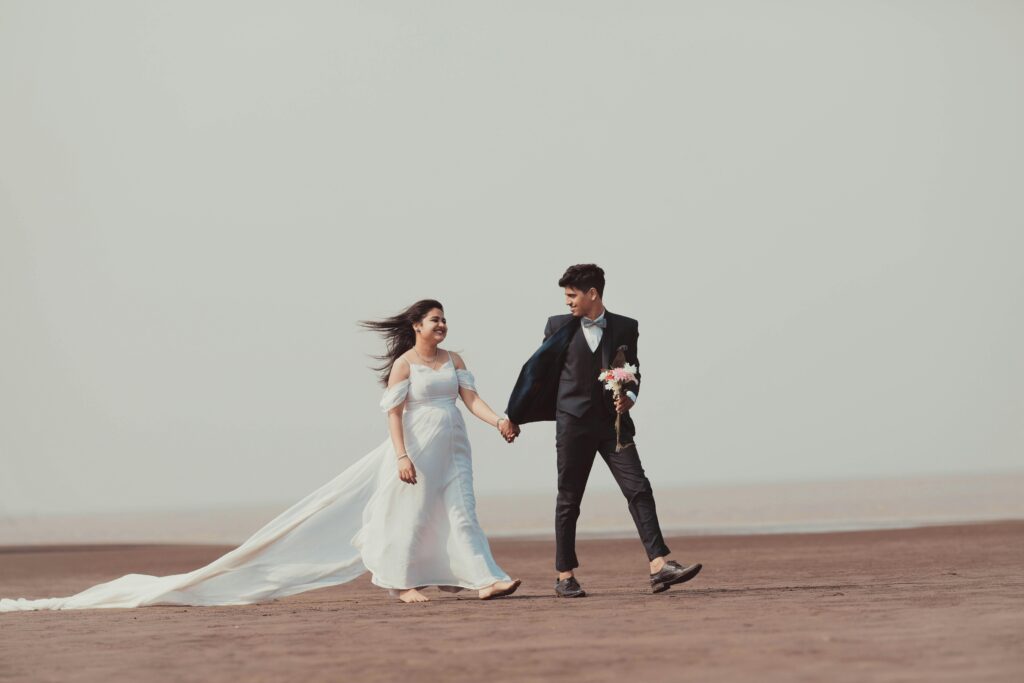
Best for: candid storytelling
How:
- Hold hands
- Walk slowly
- Look at each other, not camera
Add prompts:
- “Bump shoulders”
- “Swing hands”
- “Whisper a joke”
Why it works:
- Natural expressions
- Built-in movement
- Multiple frames quickly
3. Forehead Touch
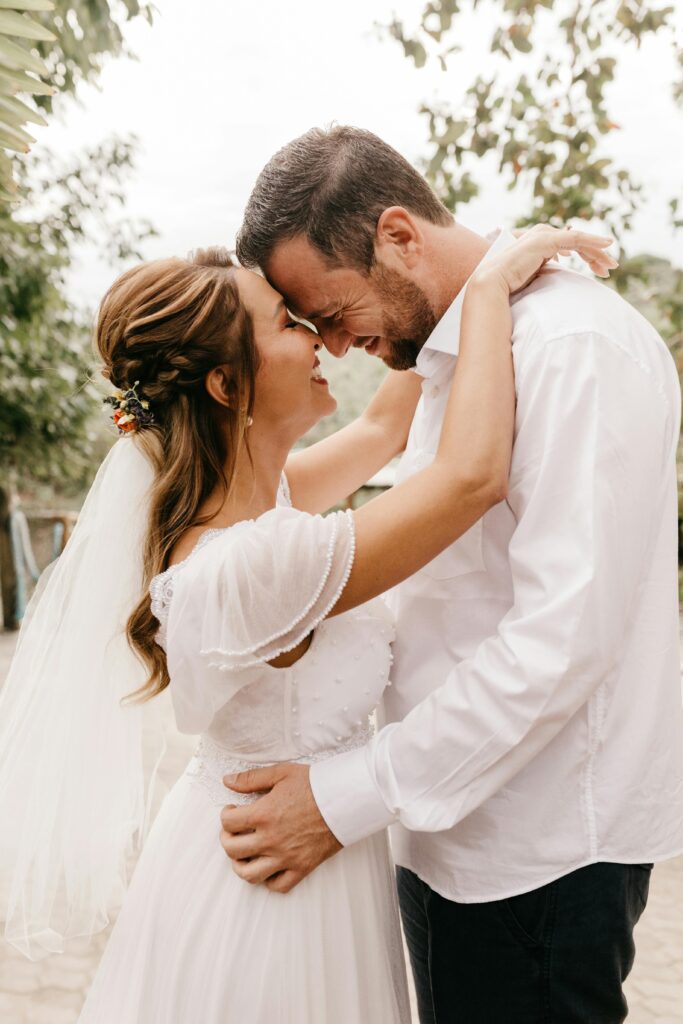
Best for: emotional close-ups
How:
- Stand chest to chest
- Foreheads gently touching
- Eyes closed or soft gaze
Photography techniques:
- Shoot at f/2–f/2.8
- Tight framing
- Backlight for glow
Creates instant intimacy.
4. The Hug From Behind
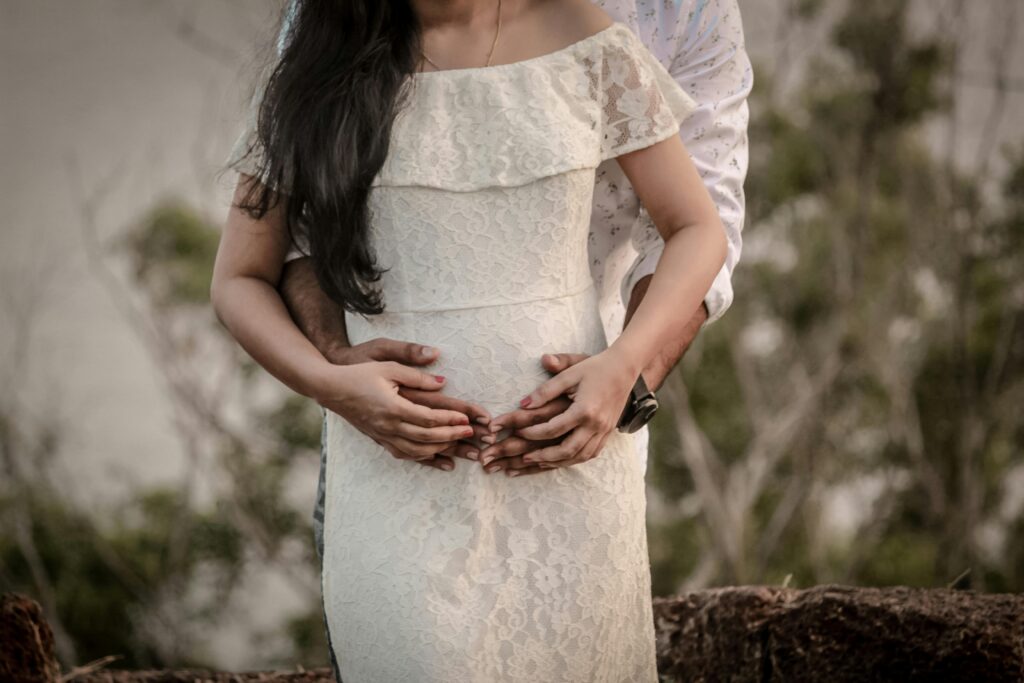
Best for: relaxed romance
How:
- One partner wraps arms from behind
- Slight lean forward
- Gentle laugh or smile
Great for shy couples who feel awkward facing camera.
5. The Dip or Spin
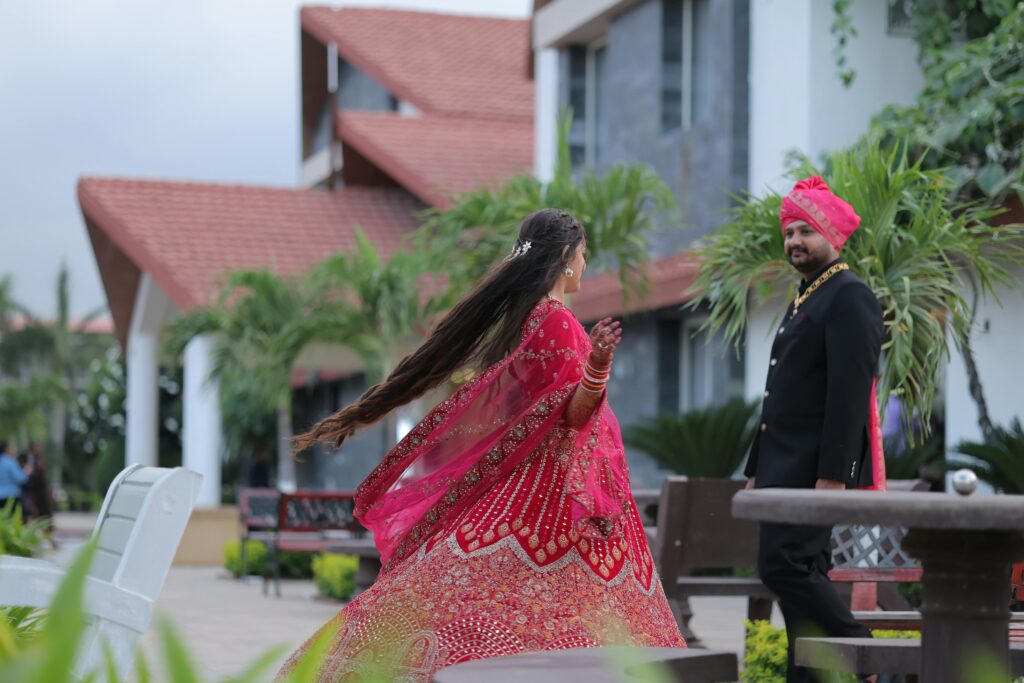
Best for: creative poses, energetic shots
How:
- Small twirl
- Light dip
- Dress movement
Why:
Movement adds drama and visual storytelling without complex posing.
Quick Reference Table
| Situation | Pose Type | Result |
|---|---|---|
| Shy couple | Walking | Natural expressions |
| Romantic moment | Forehead touch | Intimacy |
| Editorial look | V-shape | Elegant composition |
| Fun energy | Spin/dip | Dynamic shots |
| Cozy moment | Hug from behind | Comfort |
Section 3 — Group & Family Poses That Stay Organized
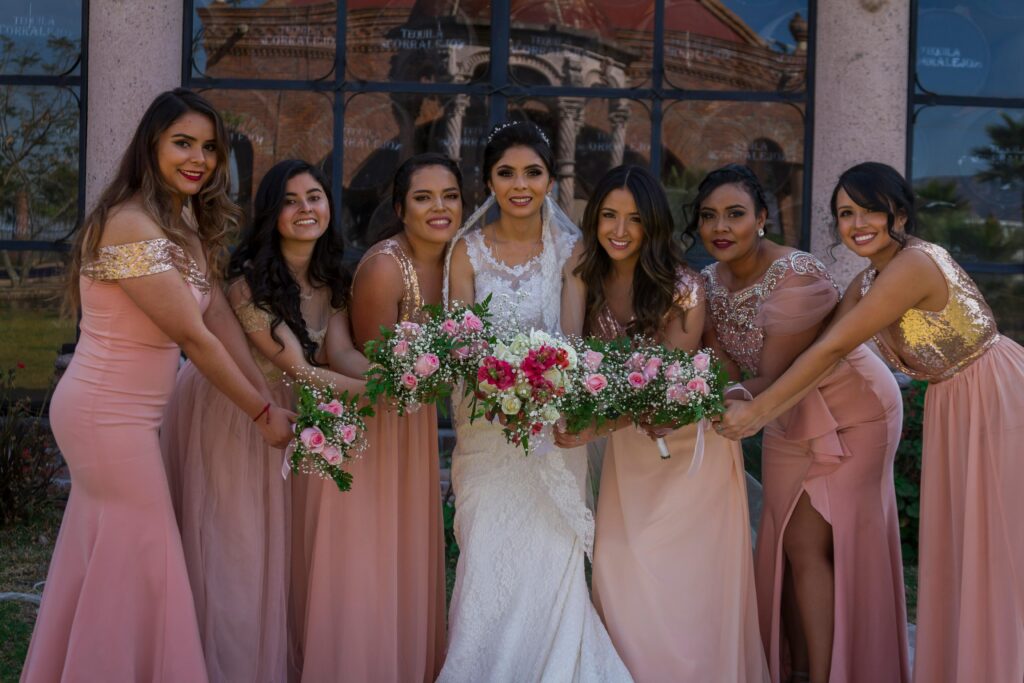
Family formals can quickly become chaotic. Structure prevents stress.
The Pyramid Composition Rule
Always build:
- Tall people in back
- Mid height middle
- Kids seated or front
This creates:
- Balanced frame
- Clear faces
- Clean lines
The 5-Minute Family Workflow
Use this sequence:
- Full family
- Immediate family
- Parents
- Siblings
- Grandparents
- Fun candid
Never randomize — it wastes time.
Posing Tips for Groups
- Avoid straight lines
- Slightly angle shoulders
- Keep hands visible
- Stagger heads
Add Micro-Movement
After safe shot, say:
- “Everyone squeeze in tight”
- “Look at the couple and cheer”
- “Group hug!”
These give authentic laughter frames.
Section 4 — Creative Poses & Advanced Photography Techniques
Once you nail classics, elevate your work with creativity and storytelling.
Layered Composition
Add foreground elements:
- Veil
- Flowers
- Guests
- Door frames
Creates depth and cinematic feel.
Environmental Posing
Use surroundings:
- Doorways
- Staircases
- Windows
- Trees
Let architecture frame the couple.
Motion-Based Creative Poses
Instead of static posing, use:
- Walking through confetti
- Veil toss
- Champagne spray
- Running hand-in-hand
Movement = emotion.
Silhouettes
How:
- Strong backlight
- Expose for highlights
- Couple close together
Works great at:
- Sunset
- Exit shots
- Dance floor lights
Storytelling Sequences
Shoot mini stories:
Example:
- Holding hands
- Walking
- Laughing
- Kiss
- Close-up detail
This builds narrative instead of isolated photos.
Practical Shooting Tips Checklist
Use this quick checklist on every wedding:
- Angle bodies at 45°
- Shift weight to back leg
- Hands relaxed (never flat)
- Keep chins slightly forward
- Watch hair and clothing wrinkles
- Shoot wide, medium, close
- Add movement to every pose
- Give prompts, not commands
- Capture transitions between poses
- Overshoot candid moments
Common Mistakes to Avoid
Over-posing
Too many micro adjustments create stiffness. Set base and let them move.
Straight-on stance
Flat shoulders make subjects look wider. Always angle.
Hands ignored
Clenched fists or dangling arms ruin images. Give hands something to do.
Too much talking
Long explanations kill momentum. Keep instructions short.
Only static shots
Movement adds life. Static-only galleries feel boring.
FAQs
What are the safest wedding poses for beginners?
Start with walking shots, V-shape stance, and forehead touch. These poses require minimal adjustment, feel natural for couples, and consistently produce flattering results. They’re reliable under any lighting condition and help build confidence before trying creative or advanced setups.
How do I make couples look natural instead of stiff?
Use action prompts rather than instructions to pose. Ask them to walk, talk, laugh, or hug instead of standing still. Movement relaxes bodies and produces genuine expressions. Keep conversations light and playful to reduce camera awareness.
How many poses should I use during a wedding session?
You only need 5–7 base poses. From each, create variations by changing angles, lenses, and movements. This saves time and prevents overwhelming clients. Repeating reliable structures leads to consistent results and smoother workflow.
What lenses work best for wedding portraits?
A 35mm for environmental storytelling, 50mm for natural perspective, and 85mm for flattering close portraits are ideal. These focal lengths compress features nicely and help isolate subjects without distortion, making them staples for wedding photography.
How do I handle large family group photos quickly?
Prepare a shot list and follow a structured order from big groups to small. Arrange heights using a pyramid layout and position everyone before shooting. Clear direction and fast transitions prevent chaos and keep sessions under ten minutes.
When should I use creative poses?
Use creative poses after you secure safe, traditional shots. Once clients feel comfortable, experiment with motion, silhouettes, or environmental framing. This ensures you always have dependable images while still delivering unique, artistic work.
Conclusion
Memorizing hundreds of poses isn’t necessary.
Instead, master a handful of proven wedding poses, understand composition and photography techniques, and focus on client interaction and movement. That’s what consistently creates emotional, timeless images.
With this posing guide, you’ll never feel stuck again. You’ll walk into every wedding with a clear plan and the confidence to adapt to any situation.
Ready to Elevate Your Workflow?
Build your signature style by practicing these poses at every shoot. Save this guide, create your own checklist, and refine your approach wedding after wedding. Consistency is what turns good photographers into trusted professionals.