

Introduction
Your photography portfolio is more than a gallery of pretty pictures. It’s your sales pitch, your brand identity, and your proof of skill — all in one place.
Clients don’t hire photographers because they own a good camera. They hire photographers whose work tells a story, feels professional, and builds trust instantly.
If your portfolio feels random, outdated, or cluttered, you’ll lose opportunities before conversations even begin.
In this guide, you’ll learn exactly how to build a strong photography portfolio that attracts clients, positions you as a professional, and consistently converts viewers into bookings.
What Is a Photography Portfolio and Why It Matters

A photography portfolio is a curated collection of your best images designed to showcase your style, skills, and value to potential clients.
It helps you:
- Demonstrate expertise
- Build credibility
- Show consistency
- Communicate your niche
- Justify premium pricing
Think of it this way:
Your portfolio answers one simple client question — “Can this photographer deliver what I need?”
If the answer isn’t obvious within 10 seconds, they move on.
Step 1: Define Your Style and Niche First
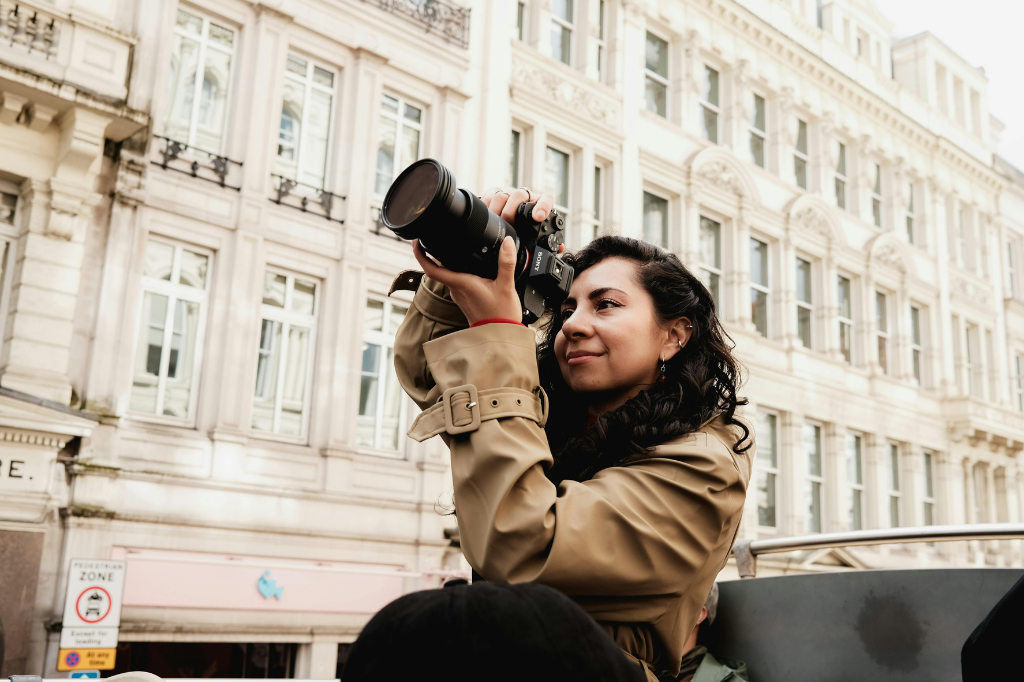
Before you start selecting images, you must get clear about what you want to be hired for.
Trying to attract everyone weakens your positioning.
Choose a focus
Examples:
- Weddings
- Events
- Portraits
- Commercial
- Product
- Lifestyle
- Corporate
A focused presentation makes you look like a specialist, not a hobbyist.
Identify your visual identity
Ask yourself:
- Do you prefer light & airy or dark & moody?
- Candid or posed?
- Story-driven or editorial?
- Minimal or vibrant?
Your visual storytelling should feel consistent across every photo.
Why this works
Clients trust consistency.
If your gallery looks scattered, they assume your results are unpredictable.
Consistency builds confidence — confidence attracts clients.
Step 2: Curate Ruthlessly (Quality Over Quantity)

One of the biggest mistakes photographers make is uploading everything.
More photos don’t equal more bookings.
Better photos do.
Follow the 20–40 rule
For most photographers:
- 20–30 images per niche
- 5–8 images per project or event
Anything beyond that reduces impact.
How to select images
Choose photos that:
- Show different lighting conditions
- Display emotions and moments
- Highlight technical skills
- Demonstrate storytelling
- Represent the type of clients you want
Quick checklist
Keep a photo if it:
- Stops you for 2 seconds
- Tells a story
- Shows clear subject focus
- Matches your style
Delete it if it’s “just okay.”
Good doesn’t attract clients. Great does.
Step 3: Showcase Work Like a Story, Not a Folder
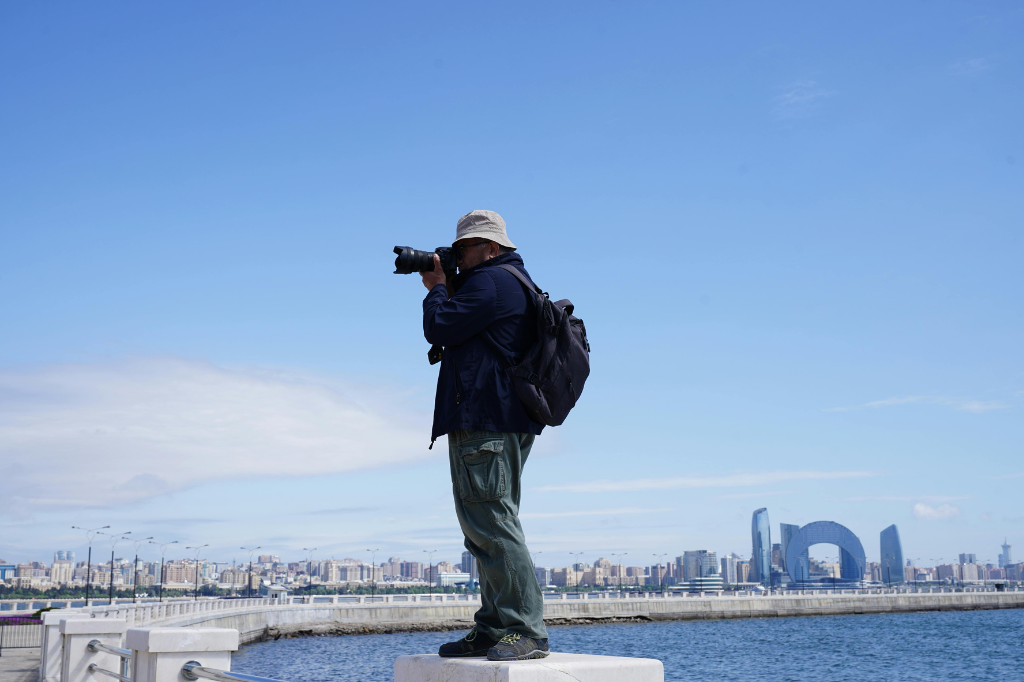
A strong portfolio isn’t just images — it’s structured storytelling.
Random galleries feel amateur. A narrative feels professional.
Organize by projects
Instead of:
- IMG_001
- IMG_002
- IMG_003
Use:
- “A Beach Wedding in Goa”
- “Corporate Conference – Delhi”
- “Sunset Engagement Session”
Each project should feel like a mini story.
Storytelling structure
Inside each gallery:
- Wide establishing shots
- Details
- Key moments
- Emotions
- Closing shots
This mimics how clients experience events and makes your work memorable.
Step 4: Present Your Photography Portfolio Professionally (Design & Layout Matter)
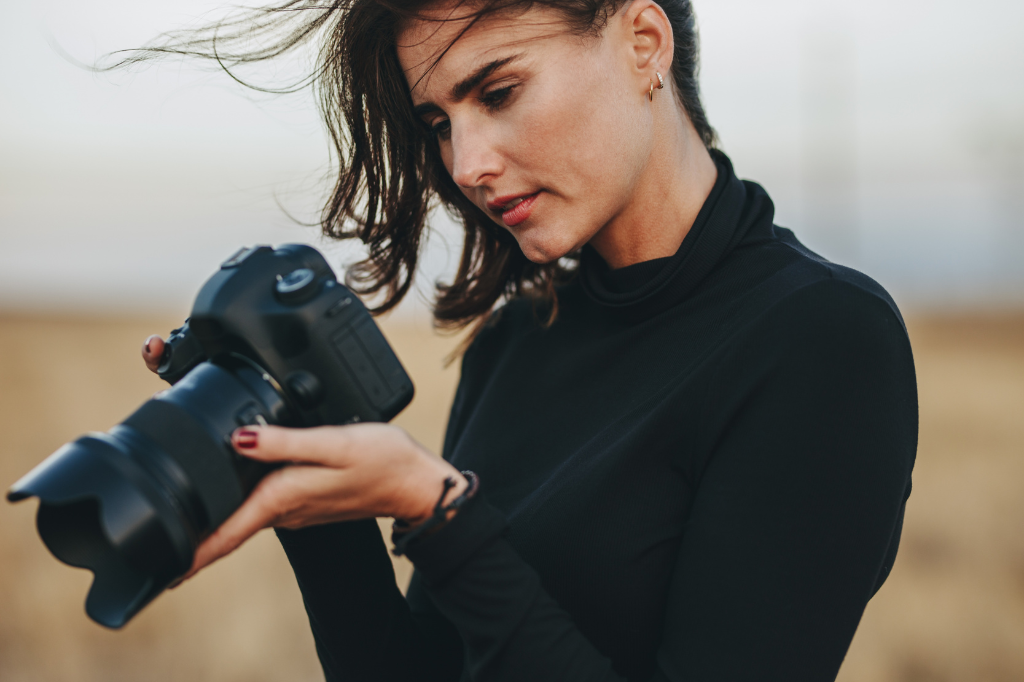
Even great photos can look weak inside a poorly designed photography portfolio. Your presentation directly affects how professional and trustworthy you appear to potential clients.
Your presentation affects perception.
Design principles
- Clean layout
- White space
- Minimal distractions
- Large images
- Fast loading speed
Must-haves
- Homepage hero image
- Clear categories
- About section
- Contact button visible everywhere
- Testimonials
Mobile optimization
Over 60% of clients view portfolios on mobile.
If your images crop badly or load slowly, you lose leads.
Test your portfolio on:
- Phone
- Tablet
- Desktop
Every experience should feel seamless.
Step 5: Build a Strong Online Presence

Today, your online photography portfolio must live where clients can easily find you.
A PDF alone isn’t enough.
Best portfolio platforms
You can use:
- Personal website
- Online gallery tools
- Client delivery platforms
- Social media
What to include
- Portfolio pages
- Service details
- Pricing guide (optional)
- Testimonials
- Blog or recent work
- Easy contact form
Your online presence builds trust before clients message you.
Step 6: Use Branding to Stand Out

Your branding is what makes you memorable.
Without branding, you look like every other photographer.
Branding elements
- Logo
- Color palette
- Typography
- Tone of voice
- Editing style
Consistency across these elements improves recognition and professional growth.
Example
If your style is luxury weddings:
- Elegant fonts
- Neutral colors
- Premium layouts
- Minimal design
Your visuals should match your target client’s expectations.
Step 7: Add Client Engagement Elements

Your portfolio shouldn’t just show work. It should encourage action.
Increase engagement with:
- Before/after sliders
- Behind-the-scenes stories
- Testimonials
- Case studies
- Booking buttons
Case study example
Instead of only photos:
“Shot a 300-guest wedding in 2 days. Delivered 800 edited photos in 48 hours. Client loved fast turnaround.”
This builds trust instantly.
Step 8: Market Your Portfolio Actively

Even the strongest photography portfolio won’t attract clients if nobody sees it.
You must use marketing strategies.
Practical tactics
- Share recent shoots on Instagram
- Network with planners & venues
- Run ads to your portfolio page
- Collaborate with vendors
- Email past clients
- Optimize Google listing
Networking tip
Offline networking still works:
- Events
- Workshops
- Exhibitions
- Industry meetups
Relationships generate consistent referrals.
Step 9: Update and Evolve Regularly
A stale portfolio signals stagnation.
Clients want photographers who are improving.
Maintenance schedule
- Review every 3 months
- Replace weak images
- Add latest projects
- Remove outdated styles
Always show your current best work, not your past best work.
Practical Tips / Checklist
Use this quick framework when building your photography portfolio:
- Define niche clearly
- Select only best 30–40 images
- Organize by stories
- Keep layout clean
- Optimize for mobile
- Add testimonials
- Show contact button everywhere
- Update quarterly
- Promote actively
- Maintain consistent branding
If you follow just this checklist, you’re already ahead of most photographers.
Common Mistakes to Avoid
Avoid these portfolio killers:
- Too many similar shots
- Mixing different styles
- Low-resolution images
- Slow website
- No clear call-to-action
- Showing outdated work
- No client testimonials
- Over-editing or heavy filters
These issues reduce trust and hurt conversions.
FAQs
1. How many photos should a photography portfolio have?
Aim for 20–40 of your absolute best images per niche. Too many photos overwhelm viewers and weaken impact. Curated collections perform better than large galleries. Quality always attracts more clients than quantity.
2. Should beginners create a portfolio without paid clients?
Yes. Start with styled shoots, friends, collaborations, or personal projects. Clients care about results, not whether the shoot was paid. Strong images and storytelling matter more than experience labels.
3. What’s better: website or social media portfolio?
A website looks more professional and builds trust, while social media drives discovery. Ideally, use both. Social platforms attract attention, and your website converts visitors into inquiries.
4. How often should I update my portfolio?
Review it every three months. Replace weaker images, add recent work, and remove outdated styles. Keeping it fresh shows growth and ensures clients see your current capabilities.
5. How do I make my portfolio stand out?
Develop a consistent style, strong branding, and clear storytelling. Show complete projects instead of random shots. Add testimonials and case studies to build trust and differentiate yourself.
6. Can testimonials really help attract clients?
Yes. Testimonials provide social proof. When prospects see positive feedback from real clients, trust increases dramatically. Include names, events, or specific results whenever possible.
7. Should I show all types of photography in one portfolio?
No. Separate niches into categories. Mixing weddings, products, and wildlife confuses clients. Focused portfolios position you as a specialist and make it easier to attract the right clients.
Conclusion
A strong photography portfolio isn’t about showing everything you’ve shot.
It’s about showcasing the right work, presenting it beautifully, and guiding clients toward booking you.
When you combine:
- clear niche
- curated images
- storytelling
- clean presentation
- consistent branding
- smart marketing
You naturally attract better clients and grow professionally.
Build it with intention — and let your work sell for you.
Ready to Upgrade Your Portfolio?
Start today: audit your current gallery, remove weak shots, and rebuild with purpose. A focused, powerful portfolio can change your bookings faster than any new camera ever will.