

Introduction
Hiring a second shooter can transform how you cover weddings and events. You capture more angles, reduce stress, and deliver stronger galleries to clients.
But here’s the problem most photographers ignore: without a clear agreement, misunderstandings happen fast.
Who owns the photos?
Can the second shooter use images in their portfolio?
Who gets paid and when?
These questions create disputes that can damage relationships and even cost you clients.
This guide breaks down second shooter agreements in simple, practical terms. You’ll learn what they are, why you need one, what to include, and how to structure it so both sides feel protected and respected.
What Is a Second Shooter Agreement?
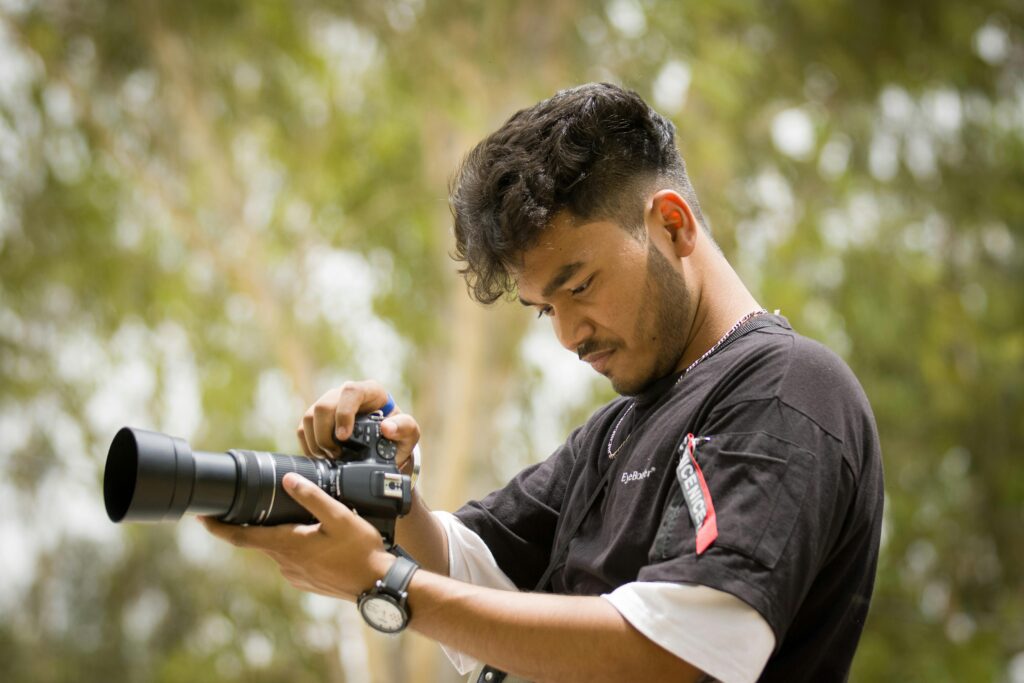
A second shooter agreement is a written contract between the lead photographer and the second shooter that defines:
- Responsibilities
- Payment terms
- Image ownership
- Usage rights
- Expectations on the event day
- Legal protections
In short, it sets clear rules before the job begins.
Quick definition
A second shooter agreement is a legally binding document that outlines how a secondary photographer works with a lead photographer for an event.
If money or intellectual property is involved (and it always is), you need one.
Why Every Photographer Needs a Second Shooter Agreement
Many photographers rely on verbal promises. That works… until it doesn’t.
Here’s what typically goes wrong without a contract:
- Late payments disputes
- Portfolio usage conflicts
- Missed coverage expectations
- Client poaching
- Lost files
- Ownership confusion
A simple agreement prevents all of this.
Key benefits
For lead photographers:
- Protects your brand and client relationships
- Ensures exclusive image rights
- Clarifies deliverables
- Prevents freelancers from contacting your clients directly
For second shooters:
- Guarantees payment
- Defines working hours
- Sets expectations
- Clarifies portfolio permissions
Both sides win.
Core Clauses Every Second Shooter Agreement Must Include
This is the heart of the agreement. Skip these sections and you leave room for problems.
1. Scope of Work
Clearly define what the second shooter will do.
Include:
- Event date and location
- Coverage hours
- Shot responsibilities (candids, groom prep, crowd, backup angles)
- Gear requirements
- Dress code
Be specific. “Assist with photography” is vague. “Cover cocktail hour candids and reception details” is clear.
2. Payment Terms
Money disputes are the #1 issue.
Specify:
- Rate (hourly or flat)
- Overtime charges
- Payment schedule
- Payment method
- Cancellation policy
Example:
- ₹3,000/hour or $50/hour
- 8-hour minimum
- Paid within 3 business days
Clarity eliminates awkward follow-ups.
3. Copyright & Image Ownership
This is critical.
In most professional setups:
The lead photographer owns all images.
Your agreement should clearly state:
- All RAW and edited images belong to lead
- Second shooter transfers copyright
- Files must be delivered within X hours
Without this clause, ownership may legally remain with the shooter.
4. Portfolio & Social Media Use
Second shooters usually want portfolio rights. That’s fair — but controlled.
Options:
| Policy Type | Description |
|---|---|
| No use | Images cannot be used publicly |
| Limited use | Portfolio only, no client tagging |
| Full credit use | Portfolio + credit lead photographer |
Most leads choose limited use with credit.
Example clause:
“Second shooter may use images for personal portfolio with written permission and proper credit.”
5. Confidentiality & Client Protection
Your clients are your business.
Add a non-solicitation clause:
- No direct marketing to clients
- No sharing client contact info
- No booking them independently
This protects your future bookings.
6. File Delivery Process
Set technical standards.
Define:
- Format (RAW/JPEG)
- Delivery timeline
- Backup requirements
- Transfer method
Example:
“Files delivered within 24 hours via cloud link. Shooter must maintain backup until confirmation.”
This prevents lost data disasters.
7. Liability & Backup Plans
Things go wrong. Plan for it.
Include:
- Personal equipment responsibility
- Insurance requirements
- What happens if shooter cancels
- Replacement policy
This keeps your event covered even during emergencies.
Step-by-Step: How to Create Your Second Shooter Agreement
If you’ve never drafted one, follow this framework.
Step 1 – Define your workflow
List how you normally operate:
- Hours
- Pay
- File delivery
- Usage rules
Step 2 – Standardize expectations
Turn repeat instructions into clauses.
Step 3 – Use plain language
Avoid complex legal jargon. Clear beats fancy.
Step 4 – Add legal basics
Include:
- Signatures
- Date
- Jurisdiction
- Termination terms
Step 5 – Store digitally
Use PDF or e-sign tools so agreements are easy to send and archive.
Once done, reuse the same template for every hire.
Practical Checklist for Hiring a Second Shooter
Before the event, confirm:
- Signed agreement
- Payment terms discussed
- Timeline shared
- Shot list provided
- File naming rules explained
- Delivery method decided
- Backup plan ready
If any box is unchecked, fix it before event day.
Common Mistakes Photographers Make
1. Using verbal agreements
Memories differ. Written contracts don’t.
2. Ignoring copyright terms
This can legally cost you your own wedding photos.
3. Not setting delivery deadlines
Late files delay client galleries.
4. Paying casually
Unclear payments hurt trust and reputation.
5. No client protection clause
Second shooters may accidentally market to your clients.
Small oversights create big headaches.
When Should You Use a Second Shooter Agreement?
Use one every time you hire:
- Weddings
- Corporate events
- Conferences
- Large family shoots
- Multi-day events
Even for friends or repeat collaborators.
Professional boundaries protect relationships.
Sample Structure Template (Quick Reference)

Use this layout:
- Parties involved
- Event details
- Scope of work
- Payment terms
- Copyright transfer
- Usage rights
- Confidentiality
- Delivery requirements
- Liability
- Signatures
Keep it to 2–4 pages. Simple and clear.
FAQs
1. Do I really need a second shooter agreement for small weddings?
Yes. Even small events involve payment and image ownership. A short written agreement protects both parties and prevents misunderstandings about usage rights, payment timing, and responsibilities. It’s easier to set expectations upfront than resolve disputes later.
2. Who owns the photos taken by the second shooter?
Typically, the lead photographer owns all images. The agreement should include a copyright transfer clause stating that the second shooter assigns rights to the lead. Without this, the shooter may legally retain ownership depending on local laws.
3. Can a second shooter post images on Instagram?
Only if the agreement allows it. Many leads permit limited portfolio use with credit and after the gallery is delivered. Define clear rules to avoid early posting, client tagging, or branding conflicts.
4. How much should I pay a second shooter?
Rates vary by experience and location. Most ranges fall between hourly or flat day rates. Consider skill level, gear, and responsibilities. Always agree on overtime and payment timelines to avoid last-minute negotiations.
5. Should second shooters sign a non-compete clause?
A strict non-compete isn’t always necessary, but a non-solicitation clause is smart. It prevents shooters from directly approaching your clients or marketing to them. This protects your business relationships without restricting their career growth.
6. What happens if the second shooter cancels last minute?
Your agreement should include a cancellation policy and require reasonable notice. You may also request help finding a replacement. Clear terms reduce stress and ensure you’re not left short-handed on the event day.
7. Can I use a template agreement for all events?
Yes. Create a standard template and adjust event details like date, pay, and hours. Consistency saves time and keeps your hiring process professional and predictable.
Conclusion
A second shooter agreement isn’t just paperwork — it’s business protection.
It sets expectations, protects your images, guarantees fair payment, and keeps your client relationships safe. Most importantly, it allows you to focus on shooting, not solving disputes.
If you regularly hire assistants or second photographers, create your agreement today. One document can save you hours of stress later.
CTA
Want more practical photography business guides like this? Bookmark this blog and build systems that help you shoot better, scale faster, and protect your work professionally.