
Introduction
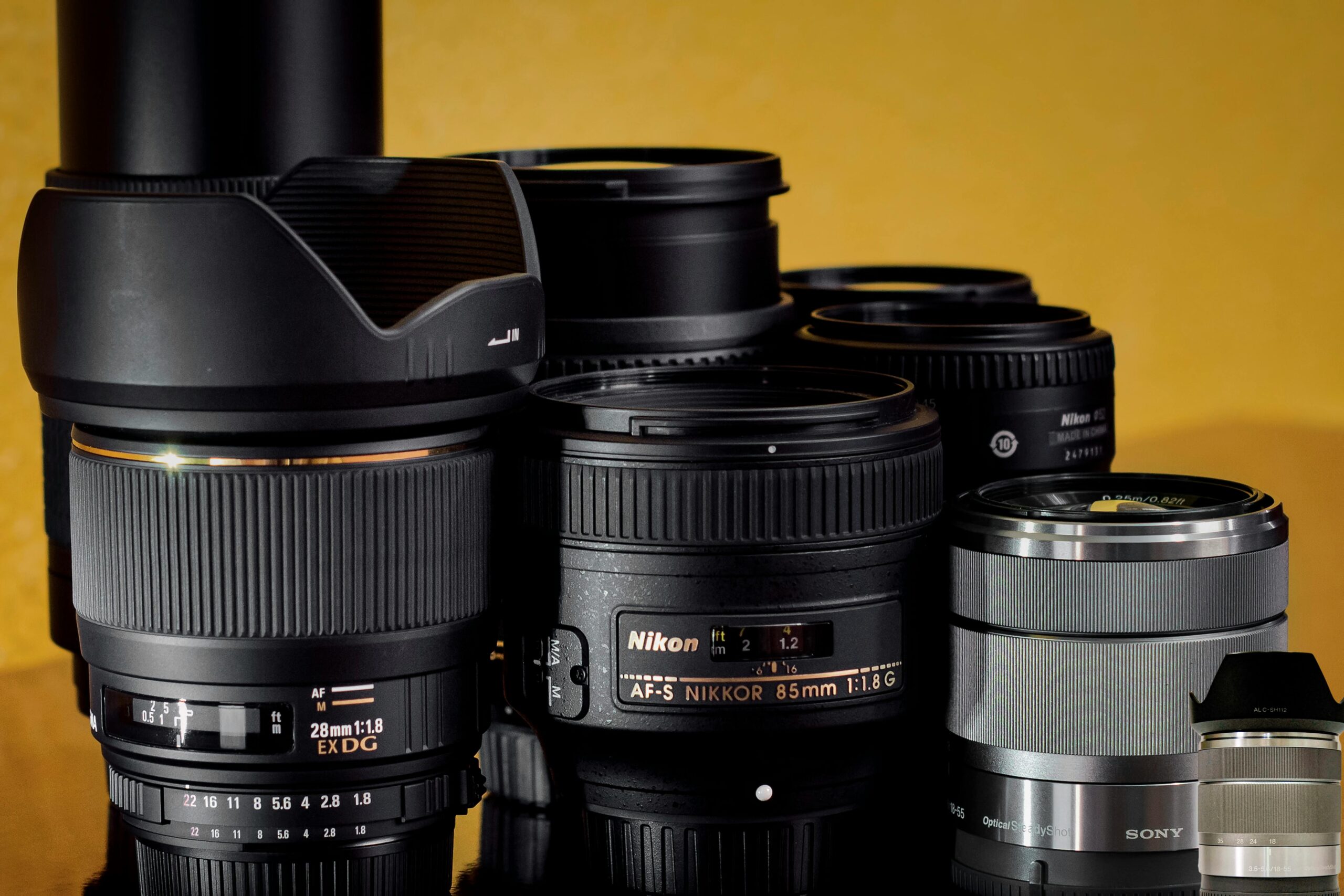
Choosing the best lenses for wedding photography can make or break your results. Weddings move fast. Lighting changes constantly. Emotions happen in seconds. And you don’t get retakes.
If your lens can’t handle low light, fast focus, or sharp image quality, you’ll miss moments that matter.
The right combination of focal length, aperture, and lens types helps you capture everything — from intimate close-ups to grand venue shots — without stress.
This guide walks you through exactly which lenses you need, why they matter, and how to build the perfect wedding photography equipment kit based on your style and budget.
Section 1: What Makes a Lens Great for Wedding Photography?
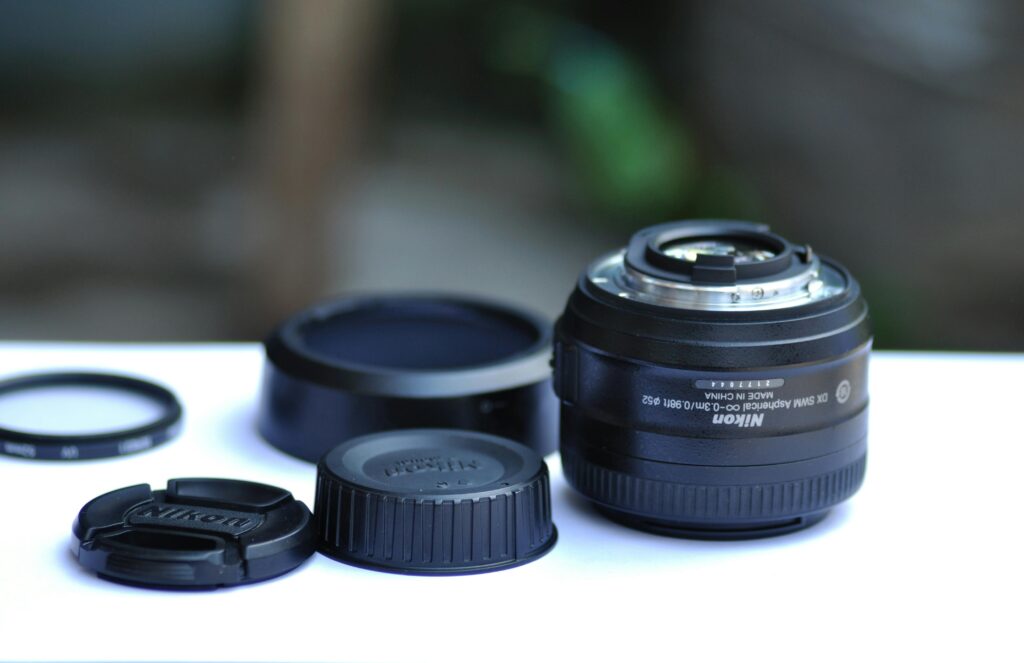
Before looking at recommendations, understand what truly matters.
A wedding lens must handle:
- Low light environments (indoor halls, night receptions)
- Fast-moving subjects (dance floor, candid moments)
- Sharp image quality
- Versatility across multiple scenarios
- Reliability during long shoots
Key features to prioritize
1. Wide Aperture (f/1.2 – f/2.8)
A larger aperture:
- Lets in more light
- Improves low-light performance
- Creates beautiful background blur (bokeh)
- Keeps ISO lower for cleaner images
For weddings, f/2.8 is the minimum. f/1.8 or faster is ideal.
2. Useful Focal Length
Different focal lengths serve different storytelling purposes:
- Wide: venue and group shots
- Standard: natural portraits
- Telephoto: candid and ceremony coverage
No single lens does everything perfectly. Smart photographers carry 2–3 lens types.
3. Fast Autofocus
You don’t have time to hunt for focus during the ring exchange. Choose lenses known for quick, accurate AF motors.
4. Professional Build Quality
Weather sealing and durable construction are important. Weddings are long, unpredictable, and sometimes outdoors.
Section 2: Essential Lens Types Every Wedding Photographer Needs
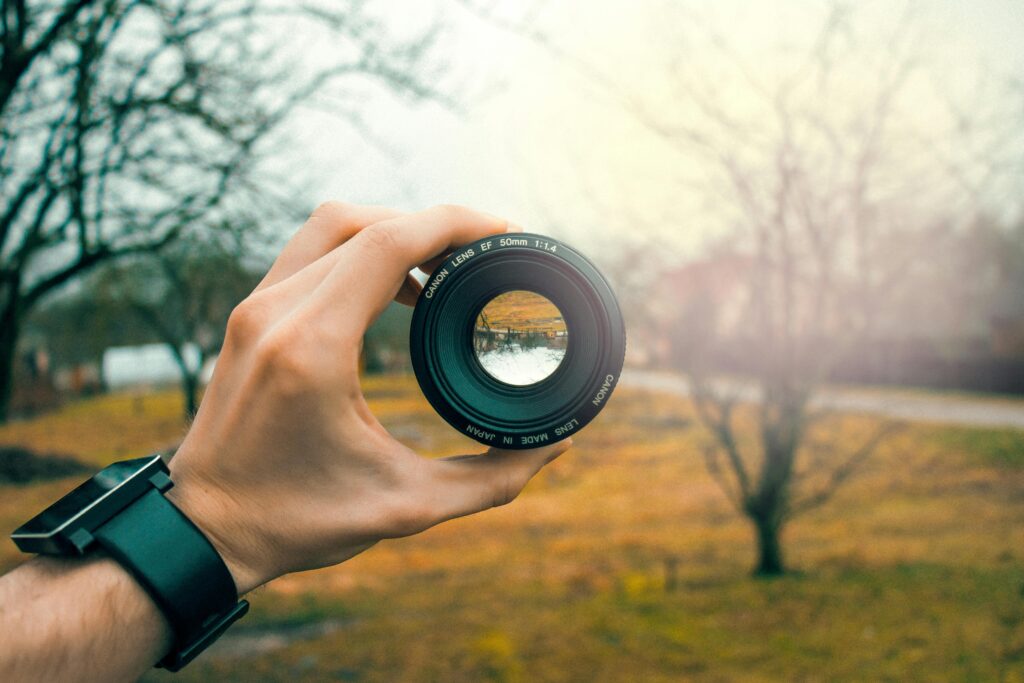
Instead of chasing every new lens, focus on core categories.
Prime Lenses
Prime lenses have a fixed focal length.
Advantages:
- Sharper image quality
- Wider aperture
- Lightweight
- Excellent low light performance
Best for: portraits, detail shots, creative storytelling
Zoom Lenses
Zoom lenses cover multiple focal lengths in one lens.
Advantages:
- Flexible framing
- Faster workflow
- Fewer lens changes
- Safer during fast events
Best for: ceremonies, candid moments, run-and-gun shooting
Quick Comparison
| Feature | Prime Lenses | Zoom Lenses |
|---|---|---|
| Aperture | Wider (f/1.2–1.8) | Usually f/2.8 |
| Sharpness | Very high | High |
| Flexibility | Low | Very high |
| Weight | Light | Heavier |
| Speed | Slower switching | Faster coverage |
Most professionals carry both.
Section 3: Best Focal Lengths for Wedding Photography (With Use Cases)
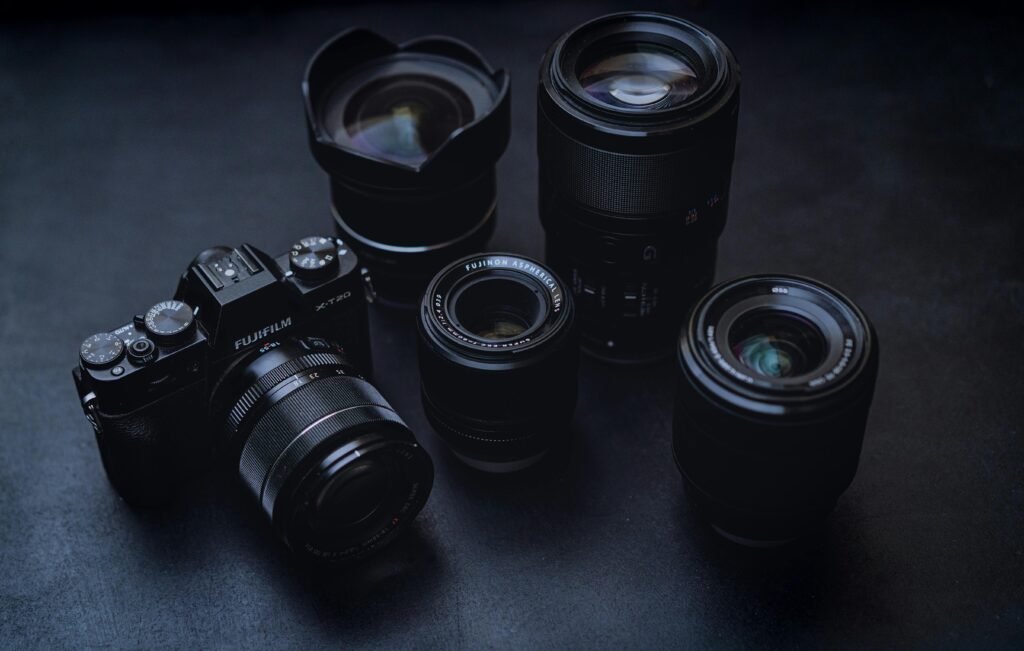
Here’s a practical breakdown.
24–35mm (Wide)
Perfect for:
- Venue interiors
- Dance floor energy
- Group photos
- Storytelling shots
Gives context and environment.
Recommended: 24mm f/1.4 or 24–70mm f/2.8
50mm (Standard)
The most natural perspective, close to human vision.
Perfect for:
- Couple portraits
- Getting-ready shots
- Detail photography
- General coverage
Often called the “must-have” wedding lens.
Recommended: 50mm f/1.8 or 50mm f/1.4
85mm (Portrait King)
Ideal for flattering compression and dreamy bokeh.
Perfect for:
- Bride and groom portraits
- Emotional close-ups
- Ceremony moments
- Parent reactions
Creates cinematic separation.
Recommended: 85mm f/1.4 or f/1.8
70–200mm (Telephoto Workhorse)
This lens saves weddings.
Perfect for:
- Ceremonies from a distance
- Candid reactions
- Outdoor events
- Tight shots without intrusion
Lets you shoot discreetly.
Recommended: 70–200mm f/2.8
Section 4: Best Lens Recommendations (By Setup & Budget)
Here’s how to build your kit.
Beginner Setup (Budget-Friendly)
If you’re starting out:
- 50mm f/1.8
- 24–70mm f/2.8 (or kit zoom upgrade)
Affordable, versatile, lightweight.
Great for learning focal length control.
Intermediate Setup
For regular paid weddings:
- 24–70mm f/2.8
- 70–200mm f/2.8
- 50mm or 85mm prime
Covers 95% of wedding scenarios.
This is the most popular professional combination.
Professional Setup
For maximum quality and creative flexibility:
- 35mm f/1.4
- 85mm f/1.4
- 70–200mm f/2.8
- Backup 24–70mm
Perfect for low light, artistic portraits, and full coverage.
Suggested Lens Kit Table
| Level | Lenses | Why |
|---|---|---|
| Beginner | 50mm + 24–70 | Affordable versatility |
| Intermediate | 24–70 + 70–200 + 85 | Full coverage |
| Pro | 35 + 85 + 70–200 + backup | Maximum quality |
Top 9 Best Lenses for Wedding Photography (Recommended Picks)
If you want a proven, professional wedding photography equipment setup, these nine lenses cover every situation — from tight indoor rituals to large outdoor celebrations and intimate portraits.
1. 24mm f/1.4 (Wide Storytelling Lens)
Perfect for venue interiors, dance floors, and large group shots. The wide focal length captures the full environment while the fast aperture handles low light beautifully.
2. 35mm f/1.4 (Documentary Style Lens)
Great for candid moments and storytelling frames. It feels natural and immersive, making viewers feel “inside” the wedding rather than observing from afar.
3. 50mm f/1.8 (Budget All-Rounder)
Affordable, lightweight, and sharp. Ideal for beginners entering wedding photography without investing heavily in expensive photography equipment.
4. 50mm f/1.4 (Professional Standard Prime)
Offers better image quality, smoother bokeh, and stronger low-light performance than the f/1.8. A reliable everyday lens for portraits and details.
5. 85mm f/1.8 (Portrait Favorite)
Excellent compression and subject separation. Perfect for couple portraits, emotional close-ups, and flattering facial features.
6. 85mm f/1.4 (Premium Portrait Lens)
A step up in sharpness and background blur. Used by professionals who want cinematic results and top-tier image quality.
7. 24–70mm f/2.8 (Workhorse Zoom)
The most versatile zoom lens for weddings. Covers wide to medium focal lengths, reducing lens changes during fast-moving ceremonies.
8. 70–200mm f/2.8 (Ceremony Essential)
Lets you shoot from a distance without disturbing guests. Ideal for candid reactions, vows, and outdoor events where movement is limited.
9. 100mm Macro (Detail Specialist)
Designed for ring shots, jewelry, décor, invitation cards, and intricate close-ups. Captures tiny details with stunning clarity.
Practical Tips / Checklist
Use this before every wedding shoot.
Gear checklist
- Two camera bodies
- 24–70mm lens
- 70–200mm lens
- One fast prime
- Extra batteries
- Memory cards
- Lens cleaning cloth
Shooting tips
- Use primes for portraits
- Use zooms during ceremonies
- Shoot wide open in low light
- Avoid changing lenses during critical moments
- Keep backup lenses ready
Common Mistakes to Avoid
Carrying too many lenses
You waste time switching. Stick to 2–3 main lenses.
Using slow kit lenses
f/4–5.6 struggles indoors and increases noise.
Ignoring compatibility
Check mount compatibility before buying new photography equipment.
Forgetting backups
Gear fails. Weddings don’t pause.
FAQs
1. What is the best single lens for wedding photography?
If you can only carry one lens, a 24–70mm f/2.8 is the safest choice. It covers wide, standard, and short telephoto perspectives, making it extremely versatile for ceremonies, portraits, and candid moments without changing lenses frequently.
2. Are prime lenses better than zoom lenses for weddings?
Prime lenses offer superior aperture and image quality, while zoom lenses provide flexibility and speed. Most wedding photographers combine both to balance creativity and practicality during fast-paced events.
3. What focal length is best for wedding portraits?
85mm is widely considered ideal for portraits. It provides flattering compression, natural facial proportions, and beautiful background blur, making subjects stand out without distortion.
4. Do I really need a 70–200mm lens?
Yes, especially for ceremonies. It allows you to shoot from a distance without disturbing the moment. It’s excellent for candid reactions and tight shots when you can’t move physically closer.
5. How many lenses should I carry to a wedding?
Carry 2–3 main lenses plus one backup. Too many slow you down. A standard zoom, telephoto zoom, and one fast prime are enough for most weddings.
6. Should beginners buy expensive lenses immediately?
Not necessarily. Start with affordable, fast primes like 50mm f/1.8. Upgrade once you understand your style and client needs. Skill matters more than premium equipment early on.
7. How important is aperture for wedding photography?
Aperture is critical. Wider apertures allow better low-light performance and create pleasing subject separation. This improves both technical quality and artistic look, especially indoors or at night.
Conclusion
Wedding photography demands speed, reliability, and excellent image quality. The right lenses help you adapt instantly to changing light, emotions, and movement.
Start simple. Build your kit around:
- A versatile zoom
- A telephoto workhorse
- One fast prime
From there, upgrade based on your style and budget.
Better lenses won’t just improve photos — they’ll reduce stress and help you focus on storytelling.
Want more photography equipment guides and wedding photography tips?
Explore our detailed gear breakdowns and tutorials to build a smarter, lighter, and more professional kit for every event.